+91 9312966129
 sparc.enquiry01@gmail.com


What Skills Do You Need to Become a Professional Accountant?
Discover essential accounting skills for 2026, including Tally, GST, Excel, TDS, taxation, software, and soft skills to become job-ready.
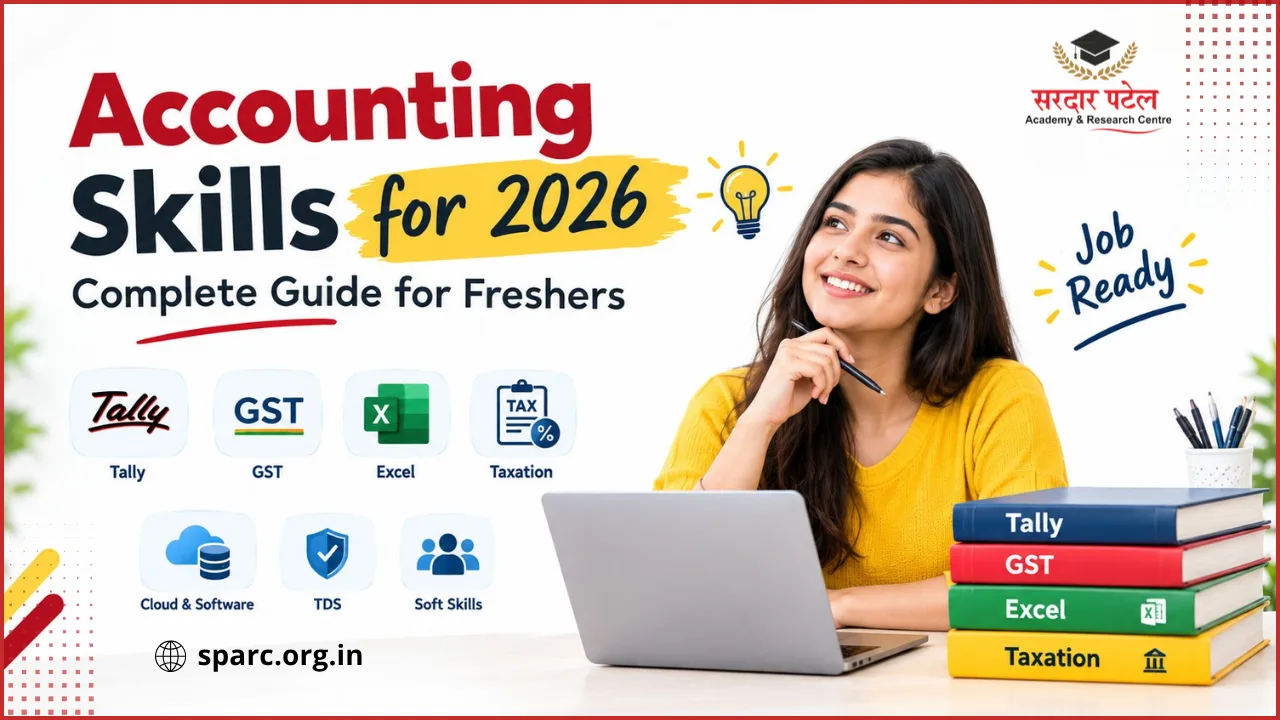
Accounting is one of those careers that never really goes out of demand. Every business, big or small, needs someone to manage its money, taxes, and records. But here's the thing: just having a commerce degree or an accounting certificate isn't enough anymore. Employers today want people who can actually do the job from day one.
So, what skills do you need to become an accountant in 2026? Let's break it down in simple terms, covering both the technical know-how and the softer skills that make a real difference in interviews and on the job.
Why Accounting Skills Matter More Than Ever
The accounting field has changed a lot in the last few years. GST, e-invoicing, digital payments, and cloud-based software have made the job more technical. A person who only knows theory from books often struggles when they sit in front of real accounting software or a client's GST filing.
This is exactly why students in GTB Nagar and across Delhi NCR are now looking for practical, hands-on training along with their degrees. Recruiters aren't just checking your marksheet anymore. They're checking whether you can work on Tally, prepare a GST return, or build a simple Excel report without hand-holding.
Core Accounting Skills Every Accountant Needs
Let's start with the basics. These are the foundation skills that every accountant, whether fresher or experienced,, should have a solid grip on.
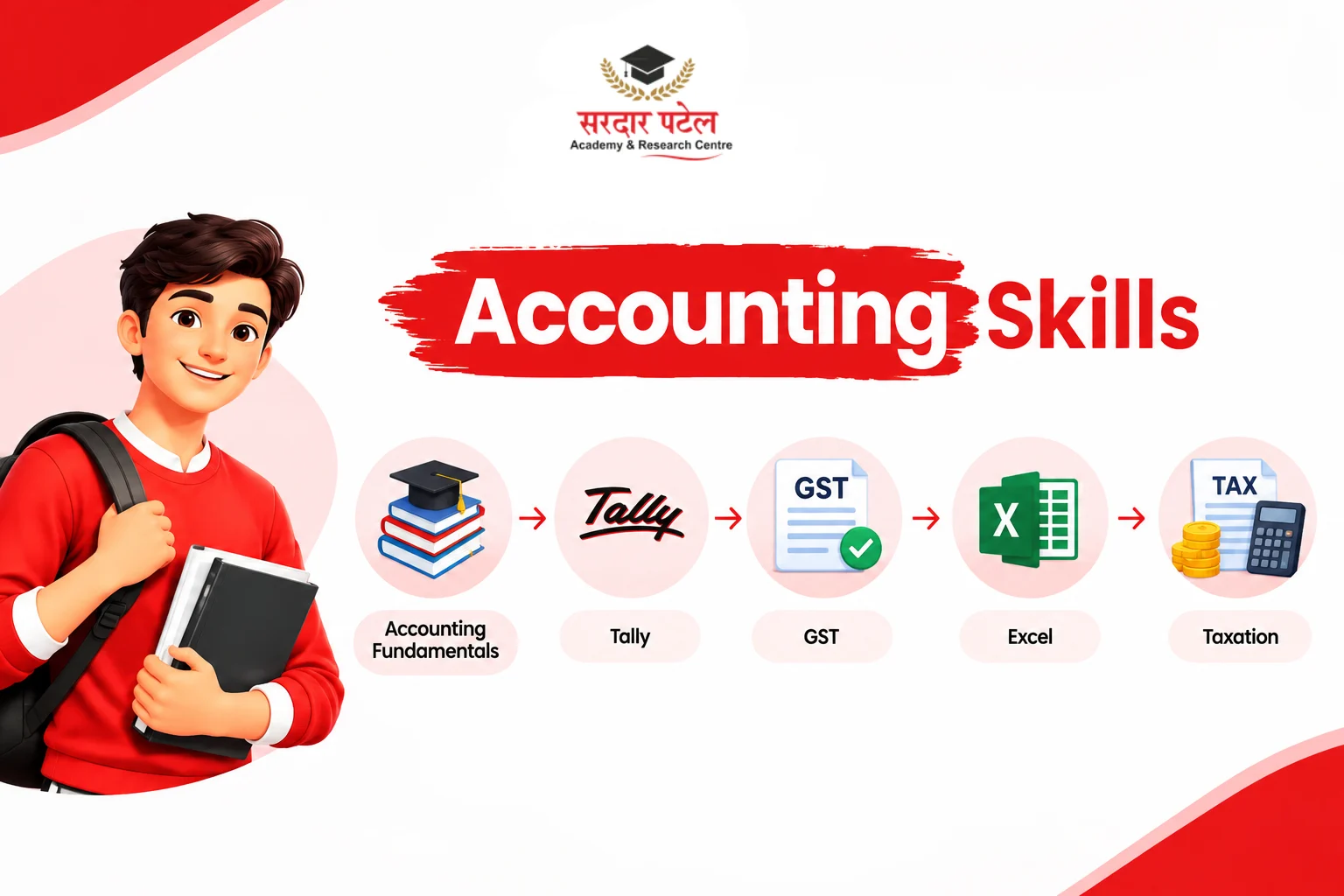
1. Strong Understanding of Accounting Fundamentals
Before touching any software, you need to understand the "why" behind accounting. This means:
- Double-entry bookkeeping (debit and credit)
- Journal entries, ledgers, and trial balance
- Preparing final accounts – profit & loss statement and balance sheet
- Basic knowledge of accounting standards
Without this foundation, software knowledge alone won't help much, because you won't understand what the numbers actually mean.
2. Tally Skills
If there's one software skill that comes up again and again in accountant job postings in India, it's Tally. Tally Prime is used widely by small and medium businesses, CA firms, and retail shops across the country.
Practical Tally skills include:
- Creating and managing company accounts
- Recording day-to-day vouchers (sales, purchase, payment, receipt)
- Inventory management
- Generating GST-ready invoices
- Bank reconciliation
- Generating MIS reports and financial statements
For freshers, learning these Tally Prime skills every fresher should learn can make it easier to handle common accounting tasks confidently. Employers in Delhi NCR, including many in and around GTB Nagar, often prefer candidates who already know Tally because it saves them training time and cost.
3. GST Accounting Skills
Since GST was introduced, this has become one of the most in-demand accounting skills for jobs. An accountant today is expected to know:
- GST registration process basics
- Types of GST returns (GSTR-1, GSTR-3B, and others)
- Input tax credit (ITC) concepts
- HSN/SAC codes
- E-way bill and e-invoicing basics
- Filing returns using accounting software
Businesses cannot afford GST errors; they lead to penalties and compliance issues. That's why candidates who understand practical GST filing tend to get preferred over those who only know it in theory.
4. Excel Skills for Accountants
Even with dedicated accounting software, Excel remains a daily tool for accountants. It's used for reconciliation, data analysis, and building custom reports that Tally or other software might not directly generate.
Useful Excel skills for accountants include:
- Formulas like SUM, VLOOKUP, IF, SUMIF
- Pivot tables for summarising large
- data Data validation and formatting
- Creating simple dashboards and reports
- Basic knowledge of macros (a bonus, not compulsory for freshers)
A fresher who can confidently work on Excel usually stands out during interviews, because many employers give a small Excel test before hiring.
5. Taxation Knowledge (Beyond GST)
Apart from GST, accountants are often expected to have working knowledge of:
- TDS (Tax Deducted at Source) – deduction, deposit, and return filing basics
- Income tax basics relevant to businesses
- Professional tax, where applicable
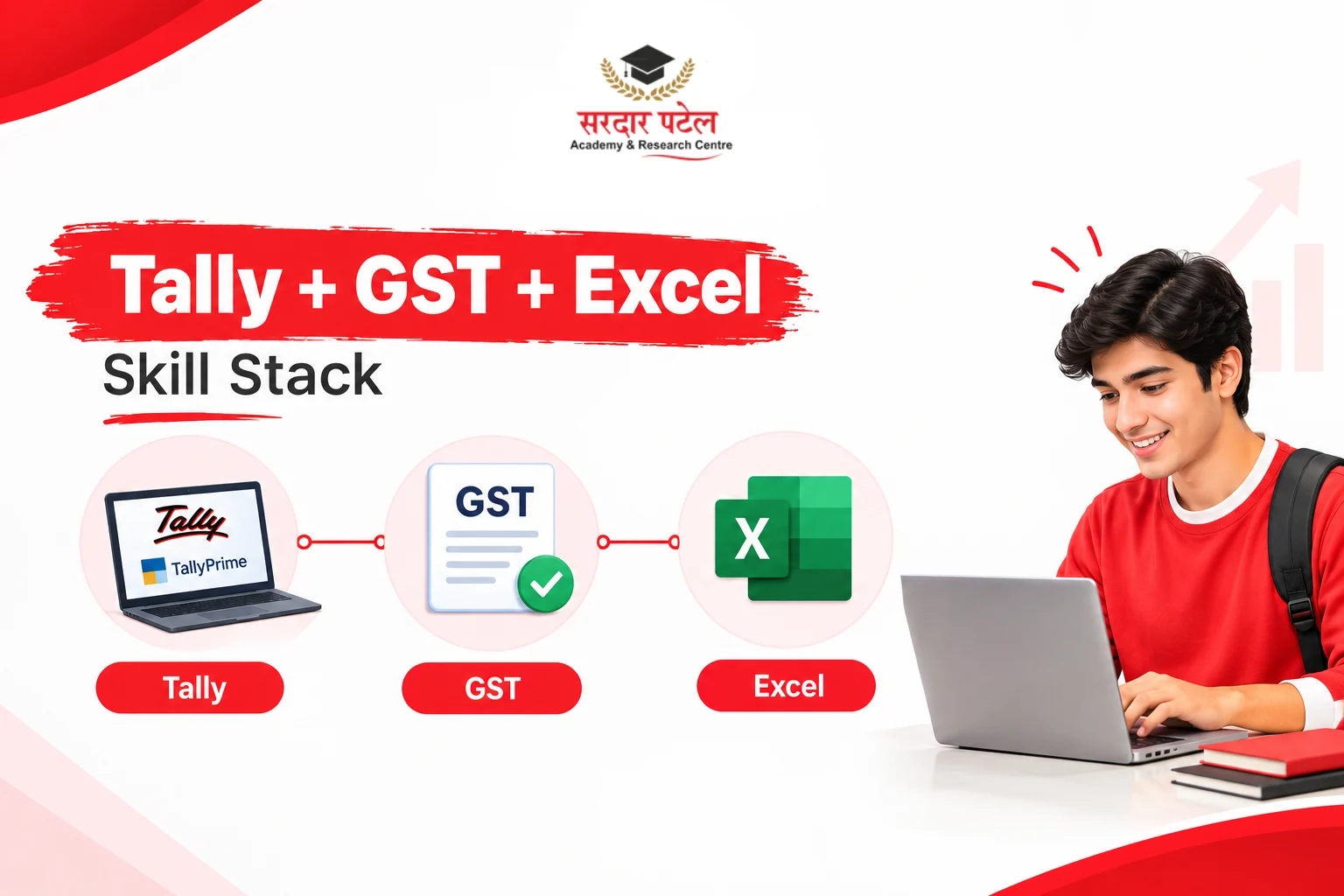
You don't need to become a tax expert overnight, but understanding these areas makes you more valuable, especially if you're aiming to work with a CA firm or handle full-cycle accounting for a small business. For entry-level accounting roles, a combination of Tally, GST, and TDS skills can give candidates practical exposure to several common accounting and compliance tasks.
Digital Accounting Skills for 2026
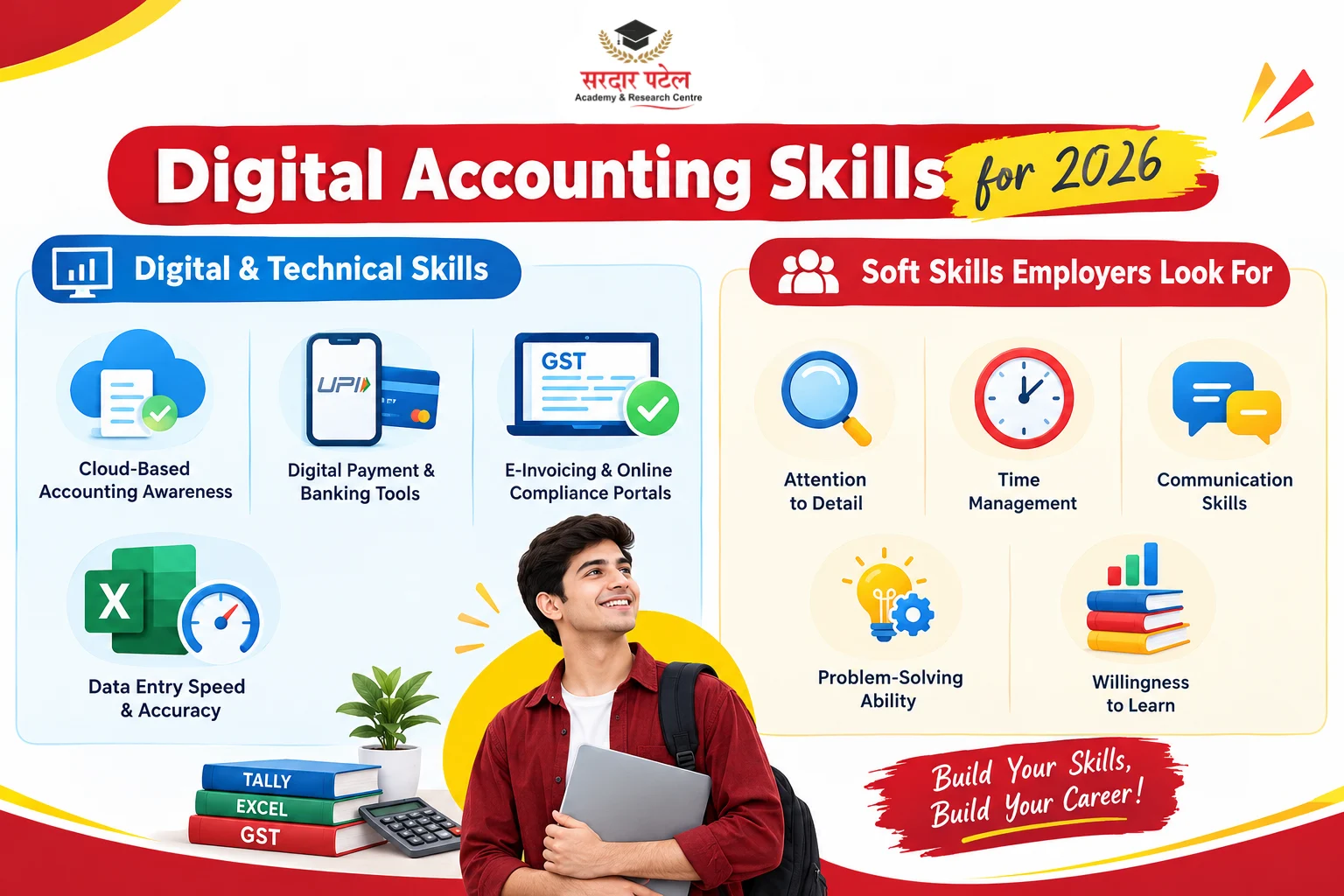
Accounting is becoming more digital every year. Manual bookkeeping in registers is almost gone from most businesses now. Here's what digital-ready accountants are expected to know:
Cloud-Based Accounting Awareness
Many businesses are shifting to cloud accounting tools for real-time access to their books. Even if you start with Tally, having basic awareness of cloud-based accounting concepts helps you adapt faster when a company uses a different platform. Even if you start with Tally, having basic awareness of the top software skills every accountant should know can help you adapt faster when a company uses a different platform.
Digital Payment and Banking Tools
Understanding UPI transactions, net banking, and digital reconciliation has become part of everyday accounting work, especially for small businesses that deal with a mix of cash, UPI, and bank transfers.
E-Invoicing and Online Compliance Portals
Knowing how to navigate government portals like the GST portal for filing, checking notices, or downloading reports is now a practical, everyday skill, not just something for senior accountants.
Basic Data Entry Speed and Accuracy
This sounds simple, but it matters a lot. Fast and accurate data entry, whether in Tally, Excel, or any ERP, directly affects how efficiently an accountant works, especially during month-end and GST filing deadlines.
Soft Skills That Employers Look For
Technical skills get you the interview call, but soft skills often decide whether you get the job and whether you grow in it.
Attention to Detail
Accounting doesn't leave much room for careless mistakes. A single wrong digit in a GST return or a ledger entry can create real problems for a business. Employers specifically look for candidates who double-check their work.
Time Management
Month-end closing, GST filing dates, and TDS deadlines accounting runs on deadlines. Being able to manage multiple tasks without missing due dates is a skill in itself.
Communication Skills
Many people assume accountants just work with numbers quietly, but in reality, you often need to explain figures to non-finance people, coordinate with vendors, or clarify doubts with clients. Clear, simple communication makes this much easier.
Problem-Solving Ability
Mismatched entries, reconciliation issues, or GST mismatches are common in real work. Employers value accountants who can spot the issue and fix it, rather than just flagging the problem and waiting for instructions.
Willingness to Learn
Accounting rules and software keep updating; GST rules change, new compliance requirements come in, and software gets new versions. Accountants who stay open to learning new updates tend to stay relevant longer in their careers.
Accounting Skills for Freshers: Where to Start
If you're a student or a fresher wondering where to begin, here's a simple, practical order to build your skills. If you're starting from zero, learning the right skills can also help you get an accounting job without experience by building practical knowledge employers can use:
- Get your basics right: understand journal entries, ledgers, and financial statements properly.
- Learn Tally hands-on: not just watching videos, but actually practising entries, GST invoicing, and report generation.
- Build GST filing knowledge: even a working understanding of return filing puts you ahead of many freshers.
- Improve your Excel skills: practise with real data sets, not just theory.
- Take up small practical projects or internships: nothing beats real-world exposure, even if it's a short internship with a local firm.
- Work on communication and time management: these often get ignored but matter a lot in interviews.
This is exactly the kind of practical, step-by-step approach that helps students go from “knowing accounting” to “being job-ready".
Understanding the accounting skills employers look for in freshers can help students focus their learning on practical abilities rather than only collecting certificates.
Skills for Working Professionals Looking to Upgrade
If you're already working but want to move up, say, from a data entry role to a full-charge accountant position, focus on:
- Advanced Tally features (multi-company handling, cost centres, advanced inventory)
- Deeper GST and TDS return filing practice
- Excel skills beyond basics – pivot tables, advanced formulas
- Exposure to at least one more accounting software, so you're not dependent on just one tool
Employers value professionals who can be flexible across software platforms, especially in a city like Delhi, where businesses use different accounting tools depending on their size and industry.
How SPARC Helps You Build These Skills
Reading about these skills is one thing; actually building them is another. At Sardar Patel Academy & Research Centre (SPARC), based in GTB Nagar, Delhi, the focus is on practical, hands-on training rather than just classroom theory.
Through SPARC's accounting training, students get to work directly on Tally, practise GST return filing on real scenarios, and build their Excel skills with practical exercises- the same kind of tasks they'll face in an actual job. This kind of training is designed to help freshers and working professionals become confident and job-ready, not just certificate holders.
If you're serious about building a career in accounting, developing these skills with proper guidance and practice makes all the difference between struggling in your first job and settling into it with confidence.
Develop practical accounting, Tally, Excel, and other job-ready skills with SPARC's hands-on accounting training.
Conclusion
Becoming a professional accountant in 2026 is about more than knowing accounting theory or holding a certificate. Employers increasingly look for candidates who can handle practical tasks using Tally, GST, Excel, taxation tools, and digital accounting platforms, along with strong attention to detail, communication, and time management skills.
For freshers, the best approach is to build a strong accounting foundation, practise Tally and GST, improve Excel skills, and gain practical exposure through projects or internships. Working professionals can further strengthen their careers by learning advanced accounting features, improving their taxation knowledge, and becoming comfortable with multiple accounting software platforms.
With the right combination of technical knowledge, practical experience, and soft skills, you can become more confident and job-ready for accounting roles. Practical training and regular learning can help you turn your accounting knowledge into skills that are useful in real workplace situations.
FAQs
Basic skills include a solid understanding of accounting fundamentals (journal entries, ledgers, and financial statements), practical knowledge of accounting software like Tally, GST filing knowledge, and strong Excel skills.
While not always compulsory, Tally is one of the most widely used accounting software in India, especially among small and medium businesses. Knowing Tally significantly improves your job prospects.
Yes, in most accounting roles today, at least a working knowledge of GST – registration basics, return filing, and input tax credit – is expected, since GST compliance is part of regular accounting work for most businesses.
Very important. Even companies using accounting software rely on Excel for reconciliation, data analysis, and custom reporting. Many employers test basic Excel skills during interviews.
Freshers should first build strong accounting fundamentals, then move on to practical Tally training, basic GST knowledge, and Excel skills. Internships or practical projects help apply this knowledge in real situations.
Yes. Attention to detail, time management, and communication skills often make the difference between an average accountant and one who grows quickly in their career, since accounting work involves deadlines and coordination with others.
It's possible, though a commerce background helps with the basics. Practical training in accounting software, GST, and Excel can help non-commerce candidates build the skills needed for entry-level accounting roles.
SPARC offers hands-on training in Tally, GST filing, and Excel, focused on practical, job-ready skills rather than just theory – helping students and working professionals become confident in real accounting work.